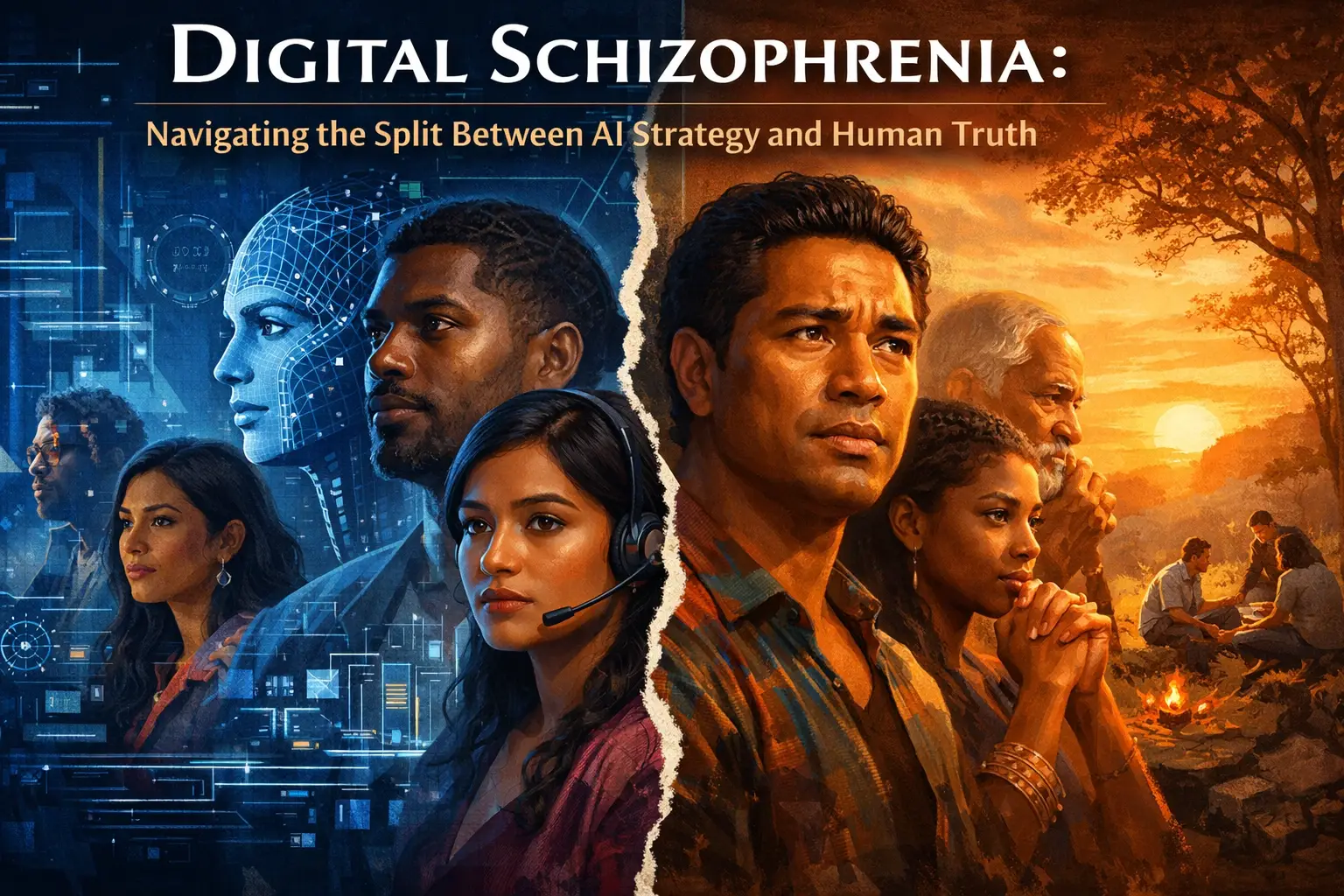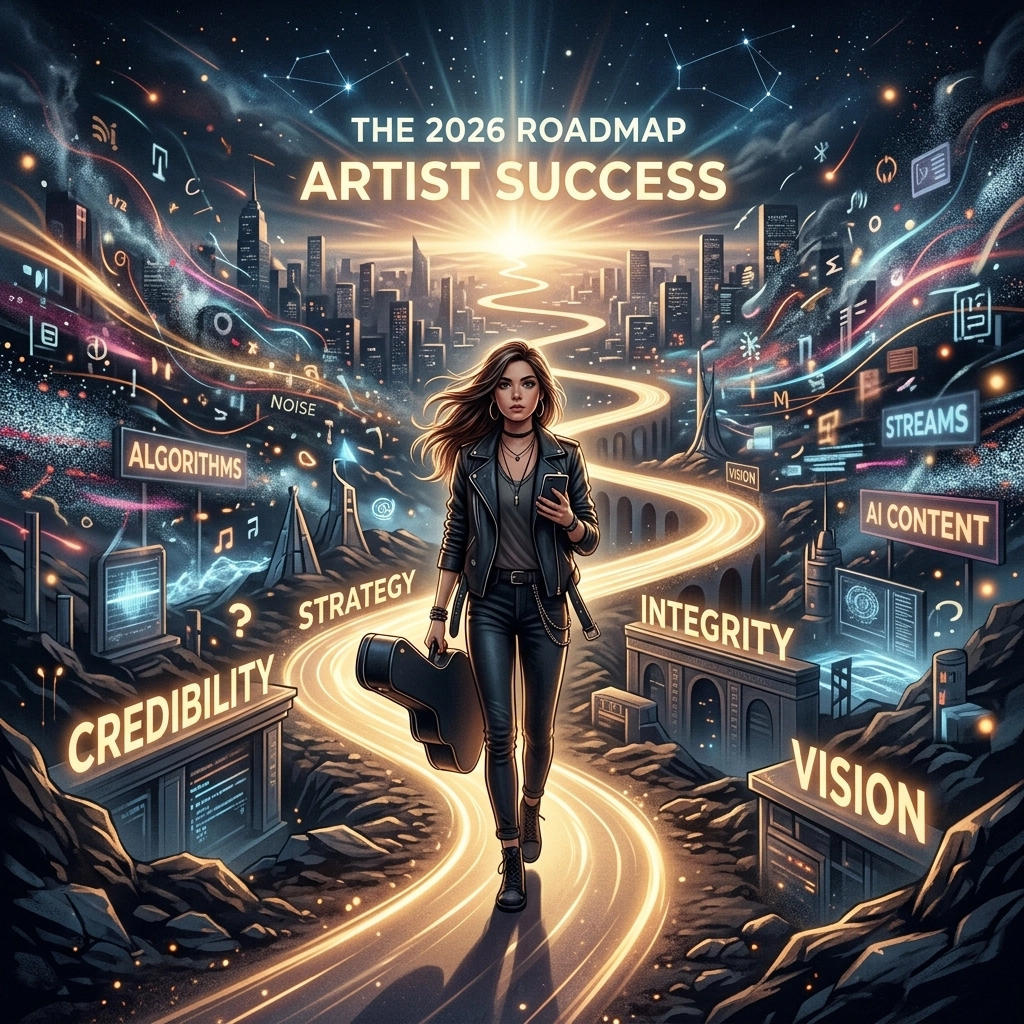
In 2026, the music industry is no longer a gatekept fortress. It is a flood. With over 150,000 tracks uploaded to streaming platforms every single day, the challenge for the modern artist has shifted from "how do I get heard?" to "how do I remain significant?"
The answer lies in the balance between two forces: Noise and Credibility.
Noise is your reach; it is the raw, chaotic energy of discovery. Credibility is your weight; it is the institutional and cultural proof that you belong in the conversation. If you have noise without credibility, you are a flash in the pan, a viral moment that vanishes when the next scroll happens. If you have credibility without noise, you are the world’s best-kept secret, sitting in a room full of awards that nobody knows exist.
To survive this year, you need a roadmap that masters both.
The Death of the Follower Count
The first thing we have to acknowledge in 2026 is that the follower count is officially a legacy metric. It’s a vanity number that carries less weight than it ever has. The algorithm has replaced the follower.
On platforms like TikTok and its successors, your content is served to people based on their interests, not who they’ve clicked "follow" on. This means every single post is a brand-new audition for a global audience. You are constantly in the discovery phase. This is the source of your "noise."
However, discovery is raw. It’s chaotic. TikTok is the place for raw discoverability, this is where you show the process, the mistakes, the personality, and the unpolished core of your art. But you cannot stay raw forever. You need to migrate those people into a space where you can actually build a relationship.

Instagram: The Digital Living Room
While TikTok is the "street" where people find you, Instagram has evolved into your "digital living room." In 2026, Instagram is for deep connection. This isn't where you hunt for new fans; it's where you nurture the ones you’ve already caught.
The strategy here has shifted away from the curated grid and toward high-touch intimacy:
- Stories and Voice Notes: These are the most powerful tools in your arsenal. Responding to a fan with a 15-second voice note creates a level of loyalty that a million likes can’t touch. It proves you are a human in an age of AI-generated personas.
- Close Friends Lists: Use these for your super-fans. Give them the "director’s cut" of your life.
- The High-Aesthetic Standard: While your TikTok can be filmed on a shaky phone, your Instagram presence needs to reflect a visionary standard.
The 4K Social-First Music Video
One of the biggest shifts this year is the move toward high-aesthetic, 4K social-first content. The traditional $50,000 music video meant for YouTube is largely a dinosaur. Today, the "music video" is a series of 15-to-30-second masterpieces designed specifically for vertical consumption.
These aren't just snippets of a larger video; they are the product. They are shot with cinema cameras, graded professionally, and designed to look like high-art fashion films, but formatted for a phone screen. This high-fidelity visual language acts as a signal of intent. It tells the viewer, "I am not just another kid in a bedroom; I am an artist with a vision."
In a world drowning in low-effort AI noise, high-quality, human-led aesthetics are the only way to cut through. Authenticity isn't just about being "real", it’s about being undeniably, tangibly human.

Building the Credibility Layer
Once you have the noise, you need to back it up. This is where press and professional positioning come into play. Credibility is what makes a festival booker take you seriously or a high-end brand want to collaborate with you.
The Swap Test
The biggest mistake artists make when trying to build credibility is having a generic identity. Enter the "Swap Test."
Take your artist bio or your latest press release. Remove your name and insert the name of another artist in your genre. Does the bio still make sense? If the answer is yes, your bio has failed.
Credibility is built on uniqueness. In 2026, the industry doesn't want "the next [Famous Artist]." They want the only you. Your story, your specific upbringing, your unique philosophical approach to sound, these are the things that need to be front and center. If your bio says you are "passionate about music and have been singing since you were five," delete it. Everyone has that story. Tell the story that only you can tell.
High-Resolution Authority
Your visual assets are your first handshake. You need high-res press shots that look like they belong on the cover of a global magazine. These shots shouldn't just be "pretty"; they should be narrative. They should communicate the vibe of your music before a single note is played.
When you pitch to editors or curators, they are looking for a reason to say "yes." If your music is great but your visuals look amateur, you’ve given them an easy reason to say "no." Professionalism is a prerequisite for credibility.

Personalized Pitching: Connection Over Blasting
The era of the "PR Blast" is dead. Sending a blind CC email to 500 journalists is the fastest way to land in a spam folder. In 2026, credibility is earned through personalized pitching.
You don't need a hundred write-ups; you need three that actually care. Research the writers who cover your specific niche. Read their work. Understand their taste. When you reach out, don't just ask for a feature. Connect.
"I saw your piece on [Artist Name] and how you mentioned the shift toward analog synthesis; I actually used those same techniques on my new record because…"
That sentence alone puts you in the top 1% of pitches. It shows you aren't just looking for a megaphone: you're looking for a seat at the table.
The Synthesis: Your 2026 Roadmap
So, how do you combine these forces? You treat your career like a two-speed engine.
- The Fast Speed (Noise): Post daily on TikTok. Be raw, be frequent, and experiment with sounds and hooks. Use the algorithm to find your tribe. Don’t worry about perfection; worry about presence.
- The Slow Speed (Credibility): Every few months, drop a high-aesthetic, 4K visual. Ensure your "Swap Test" bio is sharp. Pitch your story to specific, targeted curators who align with your vision.
When a new listener finds you through a "raw" TikTok (Noise), they will eventually click through to your profile. If they see a 4K masterpiece and a unique, professional story (Credibility), they don't just "like" your post: they become a fan. They buy into the brand.
Beating the Machine
AI can generate a catchy melody. It can even generate a semi-decent image. But it cannot have a "vibe." It cannot have a personal history. It cannot send a voice note to a fan at 2 AM.
The 2026 roadmap is about leaning into the things the machine can't replicate. It’s about using the noise of the digital age to broadcast the credibility of your human spirit.
Stop trying to beat the algorithm at its own game. Instead, use the algorithm to invite people into a world that only you could have built.
Keep it visionary. Keep it real.
For more on navigating the intersection of design, AI, and creative strategy, visit monroerodriguez.com.